

Electrolyte packets that cost two dollars each started feeling ridiculous around the third box I bought in a month, so I looked up what’s actually in them. This lmnt recipe uses the same three minerals (sodium, potassium, and magnesium) for about six cents a serving instead of two dollars. I mix a jar of it every few weeks now and keep it next to the coffee maker, since that’s when I actually remember to use it.
Why This LMNT Recipe Works
The ratio isn’t arbitrary. LMNT’s own electrolyte ratio breakdown runs 1,000 mg sodium to 200 mg potassium to 60 mg magnesium per serving — a 5:1 sodium-to-potassium split, heavier on sodium than the roughly 3:2 ratio your body normally runs on.
That’s deliberate: people on low-carb or fasting protocols lose sodium fast because lower insulin tells the kidneys to stop holding onto it, and sweat losses stack on top for anyone training hard. Table salt supplies the sodium, a potassium chloride salt substitute supplies the potassium, and magnesium malate rounds out the third mineral without the loose-stool effect some magnesium forms cause.
LMNT Recipe vs. Liquid IV: What’s Different
Liquid IV is the other name that comes up constantly, and the two aren’t interchangeable. Liquid IV’s Hydration Multiplier carries real sugar and roughly half the sodium per serving, built around a cellular transport method that uses a bit of glucose to pull water into cells faster. This lmnt recipe skips the sugar entirely and leans on double the sodium instead, which fits fasting and keto diets where added carbs defeat the point.
Key Ingredient Notes
Potassium chloride is sold in the salt aisle as a sodium-free salt substitute. Morton’s and NoSalt both carry it, and either works fine here. Magnesium malate is the ingredient most people don’t already have; it shows up at vitamin shops and online supplement retailers, usually as a powder. It smells faintly like tart apple skins straight out of the tub, though that fades completely once it’s dissolved in water.
Skip magnesium oxide if a store only carries that instead of malate; it absorbs far less efficiently and is more likely to cause the loose-stool effect malate avoids. Fine table salt is the easiest of the three to find, and any plain iodized or non-iodized version works for this lmnt recipe.
What I Learned Testing This
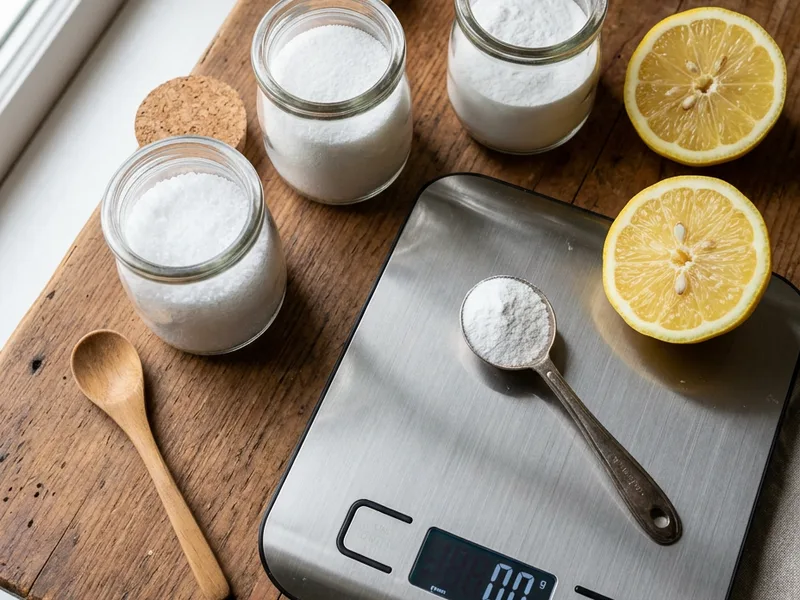
My first batch was too concentrated because I guessed at teaspoons instead of weighing anything, and the glass tasted like seawater — genuinely undrinkable, not just “a little salty.” The ratio finally held steady once I started weighing the dry mix on a kitchen scale one Sunday afternoon while meal-prepping for the week.
I keep the mixed powder in an old spice jar on the counter now, with a spoon sitting right next to it so I actually remember to use it before my afternoon coffee instead of after, once the caffeine crash has already hit.

Is This LMNT Recipe Good for Fasting or Keto?
Electrolytes matter more on a fasting or very-low-carb diet because lower insulin signals the kidneys to excrete sodium faster. That’s the actual mechanism LMNT’s own science team cites for building a sodium-heavy formula. It’s a real, well-documented effect, but worth being precise about what this lmnt recipe does and doesn’t do.
It replaces minerals your body is already losing faster than usual. It doesn’t burn fat, suppress appetite, or cause weight loss on its own, and treating it as a weight-loss drink misreads what’s actually happening here.
The CDC caps healthy adult sodium intake at 2,300 mg a day, dropping to 1,500 mg for anyone managing high blood pressure, diabetes, or kidney disease — one serving of this mix already uses close to half that lower ceiling, so check with a doctor before making it a daily habit if either applies to you. The 60 mg of magnesium sits comfortably under the NIH’s 310-420 mg daily target for adults, with plenty of room to spare.
Tips and Variations
A few ways to change up this lmnt recipe once the base ratio is dialed in:
- Swap in fresh grapefruit or orange juice instead of lemon for a sweeter citrus version.
- A few muddled raspberries or a splash of unsweetened cranberry juice turn this into one of the electrolyte mocktails people float around online right now.
- Cold cucumber and mint water instead of plain water makes a milder, more savory version for hot afternoons.
- Skip the sweetener entirely and add a pinch of citric acid for tang without any sugar substitute at all.
Troubleshooting
A few real problems that come up with this lmnt recipe, and the direct fix for each:
- Tastes too salty: You measured with a spoon instead of a scale. Weigh the dry ingredients if a kitchen scale is available, since teaspoon measurements vary by how tightly the powder is packed.
- Won’t fully dissolve: The water is too cold. Warm it slightly first, or stir for a full 30 seconds instead of a quick swirl.
- Bitter or metallic aftertaste: Too much magnesium malate relative to the other two minerals. Double-check the 75:11.5:8 gram ratio rather than eyeballing it.
- Powder clumps in the jar: Humidity got into the container. Store it with a food-safe silica packet or in a jar with a tight seal.
More Recipes You’ll Love
If wellness-focused drinks are becoming a regular thing, my sober curious mocktails roundup has ten more zero-proof options worth trying, and the full lineup lives on the mocktail recipes guide if you want to keep browsing.
The short version of this lmnt recipe: combine 75 g sodium chloride, 11.5 g potassium chloride, and 8 g magnesium malate for a 30-serving jar, then stir 2/3 teaspoon into 16-32 oz of water per serving. It replaces electrolytes lost during fasting, low-carb eating, or heavy sweating, and it doesn’t cause weight loss on its own. Stay under 1,500 mg of daily sodium if you manage blood pressure, diabetes, or kidney disease.

LMNT Recipe (Homemade Electrolyte Mix)
Equipment
- 1 Kitchen scale For accurate measuring
- 1 Small jar with tight lid For storing the mix
Ingredients
For the Electrolyte Mix (30 Servings)
- 75 g sodium chloride (fine table salt)
- 11.5 g potassium chloride (salt substitute) such as Morton Salt Substitute or NoSalt
- 8 g magnesium malate powder or 11.7 g if using non-di magnesium malate
Per Serving
- 2/3 tsp electrolyte mix from above
- 16-32 oz cold water
- 1 tsp fresh lemon or lime juice optional, to taste
- 1 pinch stevia or monk fruit sweetener optional, to taste
Instructions
Make the Electrolyte Mix
- Weigh 75 g sodium chloride, 11.5 g potassium chloride, and 8 g magnesium malate powder using a kitchen scale.
- Add all three to a small jar with a tight-fitting lid.
- Seal the jar and shake for about 15 seconds until the powders look evenly mixed, with no streaks of any one mineral visible.
- Keep the jar in a dry pantry. It stays potent for several months as long as no moisture gets in.
Mix a Single Serving
- Scoop 2/3 teaspoon of the electrolyte mix into a glass.
- Pour in 16 to 32 ounces of cold water, depending on how strong you like it.
- Stir for a full 30 seconds, until no grit remains at the bottom of the glass.
- Squeeze in fresh lemon or lime juice and a pinch of sweetener if using, then stir once more before drinking.
Notes
Frequently Asked Questions
Is this lmnt recipe the same as the real LMNT product?
It uses the same three minerals in the same 1,000 mg sodium, 200 mg potassium, 60 mg magnesium ratio, built from plain salt, a potassium chloride salt substitute, and magnesium malate. It isn’t the branded product itself, but the electrolyte math is identical.
How is this lmnt recipe different from Liquid IV?
Liquid IV adds real sugar and uses roughly half the sodium to pull water into cells faster through a glucose transport method. This lmnt recipe skips the sugar and leans on double the sodium instead, which fits fasting or keto diets better.
Can I drink this every day?
Most healthy adults can, but stay mindful of total sodium. One serving uses close to half the 1,500 mg daily ceiling the CDC recommends for anyone managing blood pressure, diabetes, or kidney disease.
Where do I find magnesium malate?
Vitamin shops and online supplement retailers carry it as a powder or in capsules you can open and measure. Avoid substituting magnesium oxide if possible; it absorbs less efficiently and is more likely to upset your stomach.
Does this lmnt recipe help with weight loss?
No. It replaces electrolytes your body loses faster during fasting, low-carb eating, or heavy sweating. It doesn’t burn fat or suppress appetite on its own, and treating it as a weight-loss drink misreads what it actually does.
Can I make this without a kitchen scale?
Yes, though weighing is more consistent. By volume, use about 15 teaspoons sodium chloride, 2 teaspoons potassium chloride, and 3 teaspoons magnesium malate for a 30-serving batch.