
Most tea recipe pages look the same. A list of thirty drinks with the same mint-and-lemon thumbnail, no brewing instructions, no context on why your cold brew turned bitter or your iced tea went cloudy. I wanted something better than that.
Every tea drink recipe here comes with real brewing context — the temperatures that matter, the steep times that change everything. I made enough bad batches to know which details actually affect the result and which ones don’t. You’ll find every style covered: iced teas, hot drinks, mocktail bases, sparkling combinations.
Browse by style below. If you’re new to brewing tea for drinks rather than just drinking it straight, jump to the brewing guide first. It covers the one thing that ruins more tea drinks than anything else, and it takes two minutes to read.
Iced Tea Drinks
Cold tea is not the same as hot tea that got cold. That distinction changes everything about how you brew it.
Hot-brewed iced tea — steep strong, pour over ice — works fine for basic sweet tea. But if you want clean, clear flavor with no bitterness, cold brew is the better method. You steep tea in cold water in the fridge for 8 to 12 hours. No heat means less tannin extraction: the difference between a bitter glass and a smooth one.
The ratio I use for cold brew: 2 tablespoons of loose leaf tea (or 4 tea bags) per 32 oz of cold water. For fruit-infused versions — hibiscus, raspberry, peach — the same ratio works. Steep overnight, strain, sweeten if needed, serve over ice.
- Raspberry Leaf Iced Tea — earthy, slightly floral, naturally caffeine-free
- Peach Iced Tea Recipe — Tastes Like Real Peach
Hot Tea Drinks
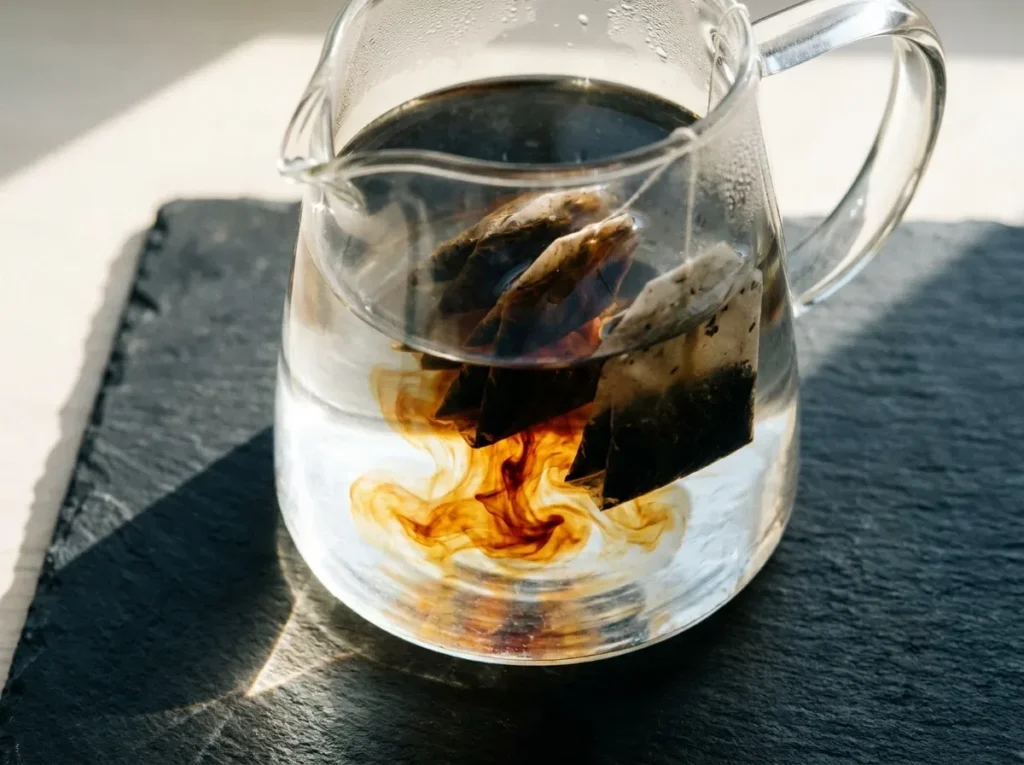
The biggest mistake in hot tea drinks is using boiling water for everything. Black tea can handle it. Green tea cannot — you’ll get bitterness that no amount of honey fixes.
Here’s what I actually use, tested across dozens of batches:
- Black tea: 212°F (boiling), 3–5 minutes
- Green tea: 175°F, 1–2 minutes max — go longer or hotter and it tastes like overcooked spinach
- White tea: 160–170°F, 2–3 minutes
- Oolong: 185–195°F, 3–4 minutes
- Herbal / rooibos: 212°F (boiling), 5–7 minutes
No thermometer? For black and herbal teas, use fully boiling water. For green tea: boil, then wait 2 minutes before pouring. That brings it down to roughly the right range without any equipment.
For hot tea drinks — chai lattes, matcha lattes, honey green tea, ginger drinks — the brew is the base. Get the temperature right and the rest of the recipe is straightforward.
- Homemade Ginger Infusion — Ginger steeped in hot water with honey, works as a tea base or standalone drink
- Lemon Balm Tea — Calming, caffeine-free herbal tea, steeped 10 minutes and served hot or iced
- Chai Tea Drink Mix — You Can Make at Home (Better Than Store Packets)
- Oolong Tea Drink — 8 Non-Alcoholic Recipes
- Oolong Milk Tea Recipe — the 85°C loose-leaf method, hot and iced
Tea-Based Mocktails
Tea as a mocktail base is genuinely underused. Most non-alcoholic drinks lean on juice or plain sparkling water. But a strong-brewed hibiscus tea, chilled and shaken with fresh lime and honey? That’s a drink that holds its own next to anything on a cocktail menu.
The key is concentration — and most people skip this. For mocktail use I brew double strength: 4 tablespoons per 32 oz instead of 2. Then chill it completely before mixing. If you add the tea while it’s still warm, the ice dilutes it immediately and you lose everything you just built.
The tea types that work best as mocktail bases:
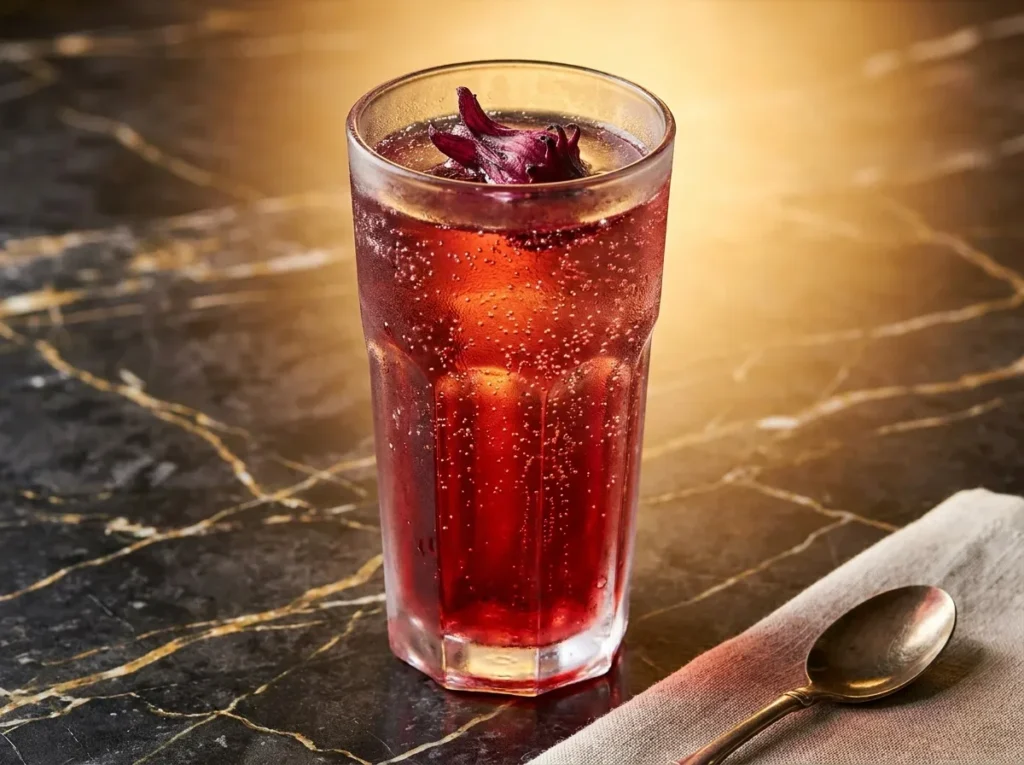
- Hibiscus: tart, deep ruby red, works like cranberry juice in most cocktail-style recipes
- Green tea: light and slightly grassy, pairs well with citrus, ginger, and cucumber
- Rooibos: naturally sweet, zero caffeine, great with vanilla, caramel, or tropical flavors
- Black tea: bold enough to stand up to strong mixers — peach, mint, berry
For more non-alcoholic drinks built around similar principles, see the full mocktail recipe collection — or read what makes a mocktail different from a cocktail if you’re building drinks from scratch.
Sparkling Tea Drinks
Sparkling tea drinks sit somewhere between a soda and a tea. They work two ways.
The quick method: brew double-strength tea, chill it completely, then combine 1:1 with plain sparkling water. Add citrus or syrup for more complexity. Done in 15 minutes. The flavor is clean, the carbonation is lighter than soda, and it’s a real upgrade from plain iced tea.
The slower method: use a kombucha base or a homemade soda foundation like ginger bug. Natural carbonation, a slight tartness from fermentation, and better flavor depth than anything you can produce with sparkling water alone. If you’re already fermenting at home, a ginger bug tea soda is the obvious next step.
This section is growing fast. If you’re impatient, the quick sparkling water method works right now with any tea you already have at home.
How to Brew the Perfect Tea Base
Every tea drink starts with a brewed base. Get this part right and the recipe works. Get it wrong and you’re adding honey to something that’s already been ruined.
Temperature and Steep Time by Tea Type
| Tea Type | Brew Temp | Steep Time | Notes |
|---|---|---|---|
| Black tea | 212°F (boiling) | 3–5 minutes | Bold, tannic — shorter steep for lighter drinks |
| Green tea | 175°F | 1–2 minutes | Never boiling — turns bitter immediately |
| White tea | 160–170°F | 2–3 minutes | Delicate, forgiving on steep time |
| Oolong | 185–195°F | 3–4 minutes | Between black and green in flavor |
| Herbal / rooibos | 212°F (boiling) | 5–7 minutes | No caffeine, nearly impossible to over-steep |
Cold Brew Method
Cold brew tea is simpler than most people expect. The ratio: 1 tablespoon of loose leaf tea (or 2 tea bags) per 16 oz of cold water. Add to a jar or pitcher, cover, refrigerate for 8 to 12 hours. Strain and use.
I ran a side-by-side on the same green tea: cold brew had almost no bitterness. The hot-brewed version needed sweetener just to be drinkable. That’s the actual difference. For any drink where the tea flavor needs to come through on its own — not masked by syrup — cold brew is the only method worth using.
Troubleshooting: When Your Tea Drink Goes Wrong
Tea tastes bitter: You over-steeped it, or the water was too hot. This hits green tea hardest. Lower the temperature and shorten the steep time. There’s no way to fix bitter tea after the fact — brew a fresh batch.
Tea flavor too weak: Not enough tea leaves, water too cool, or steeped too short. For drinks, I always brew at 1.5 to 2x the standard strength and dilute to taste when building the drink.
Iced tea turned cloudy: This happens when hot tea cools too fast. Pour hot tea into a room-temperature pitcher first, wait until it reaches room temp, then refrigerate. Pouring directly over ice causes cloudiness from temperature shock. It doesn’t affect flavor, but it looks bad in the glass.
Cold brew developed a strange taste: Steeped too long. Twelve hours is the maximum for most teas. Pull the leaves at 8 hours if you’re using a strong black tea or tannic herbal blend.
Seasonal Tea Drinks
Tea follows the seasons more naturally than most drink categories.
Summer is when cold brew earns its keep. Hibiscus, peach, lemon iced green tea — anything that goes over ice and holds up when it dilutes. Make a big pitcher, it goes fast.
Winter is different. That’s when I actually use the stove — masala chai, ginger honey tea, a rooibos latte with vanilla. Drinks that take ten minutes to make and are worth every one of them.
For parties and holidays, the trick is always big-batch: brew at double strength, set out a pitcher, let people dilute to taste. Hibiscus punch, cranberry-spiced black tea, jasmine fizz for New Year’s. All of these work that way.
Seasonal recipes go up 6 to 8 weeks before the occasion. That’s not arbitrary — it gives you time to actually try it before the day arrives.
All Tea Drink Recipes
Every tea drink recipe on this site, organized by style. New recipes publish weekly.
Iced Tea
- Raspberry Leaf Iced Tea — earthy, floral, caffeine-free
- Cherry Blossom Iced Tea — floral, light, 15-minute spring recipe
- Peach Iced Tea — tastes like real peach
- Strawberry Iced Tea — bright and not muddy
Hot Tea Drinks
- Homemade Ginger Infusion
- Lemon Balm Tea — calming, caffeine-free, hot or iced
- Oolong Milk Tea — the 85°C method that works
- Chai Tea Drink Mix — better than store packets
Tea-Based Mocktails
Tea-based mocktails use cold-brewed or lightly steeped tea as the base instead of spirits. Start with any of these:
- Cherry Blossom Iced Tea — floral spring mocktail
- Korean Mocktail Recipes — yuja, omija, dalgona and more
Sparkling Tea Drinks
Use double-strength cold brew mixed 1:1 with sparkling water. Start with these:
- Oolong Tea Drinks — 8 sparkling and mocktail recipes
- Oolong Boba — cold, sparkling, café-style at home
Explore Related Categories
- Mocktail Recipes — non-alcoholic drinks for every occasion
- Homemade Soda Recipes — dirty sodas, ginger bug, Italian sodas, and more
- Fruit Drink & Juice Recipes — fresh juice, smoothies, and fruit-based drinks
Frequently Asked Questions
Is hibiscus tea good for you?
Yes. Brewed hibiscus tea is naturally caffeine-free, low in calories, and rich in anthocyanins — the antioxidant compounds that give it its deep ruby color. It also provides small amounts of iron and vitamin C. For the full nutritional breakdown, see the USDA FoodData Central entry for hibiscus tea.
What is a tea drink recipe?
A tea drink recipe is any beverage that uses brewed tea as a primary ingredient — from classic iced tea to chai lattes, tea-based mocktails, and sparkling tea sodas. The tea can be the finished drink itself, or a base you build on with fruit, citrus, sweetener, or carbonation.
What is the easiest tea drink to make at home?
Cold brew iced tea is the easiest. Add 4 tea bags to 32 oz of cold water, refrigerate for 8 to 12 hours, and strain. No boiling water, no timing — just patience. It produces a smooth, clean-tasting tea with none of the bitterness from hot brewing.
What temperature should I brew tea for drinks?
It depends on the tea type. Black and herbal teas use boiling water (212°F). Green tea needs 175°F — boiling water makes it bitter. White tea brews best at 160 to 170°F. Oolong falls between black and green at 185 to 195°F. Steep times range from 1 to 2 minutes for green to 5 to 7 minutes for herbal teas.
What tea makes the best mocktail base?
Hibiscus tea is the best all-around mocktail base — tart, deeply colored, and it behaves like cranberry juice in most drink recipes. Rooibos works well for sweeter, caffeine-free drinks. Green tea pairs with citrus and ginger. Black tea holds up against bold mixers like peach or mint.
Why does my iced tea go cloudy?
Cloudy iced tea happens when hot tea is poured over ice or cooled too quickly. The rapid temperature change causes proteins to precipitate out, turning the liquid hazy. Fix it by letting hot tea cool to room temperature in a pitcher first, then refrigerate. Cold brew tea doesn’t cloud at all.
How do I make tea taste less bitter?
Lower the water temperature and shorten the steep time. Bitter tea is almost always caused by one of these two things. For green tea specifically, never use boiling water — brew at around 175°F for no more than 2 minutes. If you’ve already over-steeped, there’s no fix — brew a fresh batch.
What’s the difference between cold brew tea and iced tea?
Iced tea is brewed hot and then chilled or poured over ice. Cold brew tea is steeped in cold water for 8 to 12 hours with no heat at all. Cold brew produces a smoother, less tannic result because heat accelerates tannin extraction — remove the heat and you get a cleaner, naturally sweeter flavor.
Can you make sparkling tea drinks at home?
Yes — two methods work well. The quick version: brew double-strength tea, chill it, then mix 1:1 with sparkling water. The better version: use a kombucha or ginger bug fermented base for natural carbonation and more complex flavor. Both work at home without any special equipment.
How long does homemade iced tea last in the fridge?
Homemade iced tea keeps for 3 to 5 days in a sealed container in the fridge. Cold brew tends to stay fresh slightly longer than hot-brewed iced tea because less oxidation occurs during brewing. Don’t leave tea at room temperature for more than a few hours — it’s a good environment for bacteria.
What is the healthiest tea to use in drinks?
Green tea has the most documented health benefits — high in antioxidants, lower caffeine than black tea, and neutral enough to pair with most flavors. Hibiscus is high in vitamin C and has been studied for blood pressure effects. Rooibos is naturally caffeine-free. The best choice depends on what you’re looking for.
Are tea drinks caffeinated?
Most tea drinks made from real tea contain caffeine. Black tea has the most — around 40 to 70mg per 8 oz. Green tea has 20 to 45mg. White tea is lower, around 15 to 30mg. Herbal teas and rooibos are naturally caffeine-free. For evening drinks or drinks for kids, herbal or rooibos bases are the better choice.
For drinks built around fresh fruit rather than tea, the fruit drink recipes hub covers agua fresca, smoothies, fresh juices, and sparkling fruit drinks — same no-alcohol focus, fruit as the base instead of tea.
Strawberry Green Tea Electrolyte Drink
Butterfly Pea Flower Tea Recipe: The Color-Changing Drink That Actually Works
Hibiscus Tea Recipe: Cold-Brew or Hot-Steep, Done Right
Homemade Tea Concentrate Recipe: The Batch-Brew Trick That Saves Time
Golden Milk Recipe (Turmeric Milk) That Actually Tastes Good
Rosemary Tea Recipe: The Honest Ratio (And Real Safety Numbers)
Clove Tea Recipe: The Warm Spiced Brew That Actually Works
Dirty Matcha Latte Recipe (The Layered Version That Actually Works)
Russian Tea Recipe: The Real Story (It’s Not Actually Russian)
Iced Matcha Latte: The Real Ratio (No Clumps, No Bitterness)
Starbucks Medicine Ball Tea Recipe (The Honey Citrus Mint Copycat)
Turmeric Tea Recipe (The Version That Actually Absorbs)
Mushroom Adaptogen Drink Recipe (The Honest Version)
Matcha Adaptogen Drink Recipe (The Calmer Alternative)
Oolong Peach Iced Tea: What the Metabolism Research Actually Shows